Rituals and celebrations are very important for children. They love the “wheel of the year,” and are fascinated by old traditions. They help children feel grounded, part of the community to understand their connections to the past.
This week and next we are celebrating this MIDWINTER time with a veritable festival of learning activities. We have even obtained a fake log fire to add to the atmosphere!
We tell the kids the old solstice legend of people hanging their wishes from trees for the elves to see and hopefully grant! They are keen to do the same so we will hang our wishes on our learning tree.
We are “stretchy” with our solstice term and apply it for 2 weeks!
We also tell them that elves HATE spelling mistakes and don’t read wishes that are misspelled! What a change- they all check their spelling carefully, check in with teachers and use dictionaries. have a feeling these spelling elves are here to stay at our centre.
Last year I was fascinated to note their wishes. Many asked for gifts for their families. One child wished for immortality. A few asked for happiness and peace. Can’t wait to see what they wish for this year!
Here are some of our activities- they can easily be adapted for any classroom and are great to use at home!
Mindfulness sessions- staring into a candle or fire and sharing what came into your mind.
Cook and eating wintery food such as baked potatoes, apple bread or hot chips.
Expressing gratitude for all the wonderful blessings we have experienced this year and setting goals for the warmer months ahead. You could light a tiny tea-light for each blessing children tell. (Keep up high!)
Reading and writing about the Earth’s orbit around the sun and why we have seasons.
So put plenty of layers on, make huge hot chocolates and celebrate this lovely deep, introspective season. It offers opportunities to go deep and introspective, re-adjust the sails and just take a much – needed deep breath!
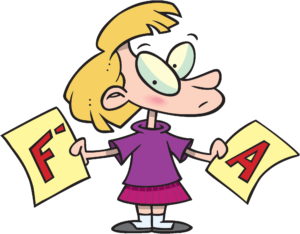
Your child’s report is not meant to be a judgement of their potential or even of their complete attainment so far this year.
It is simply a snapshot of observable progress at school.
Many children will happily receive reports that make you smile.
You will probably arrange a special treat for them to their favourite take-a-way and certainly praise them.
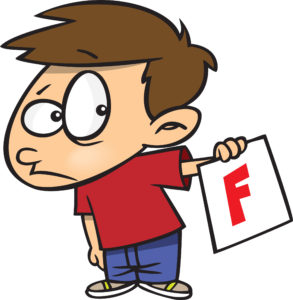
Spare a thought for the children with poor reports.
I work with some children who are terrified of these reports and also dread NAPLAN results.
For these children the disappointing results are yet another nail in the coffin of disappearing self-esteem.
It doesn’t have to be like this.
Parents can take these steps to turn these situations into a positive experience.
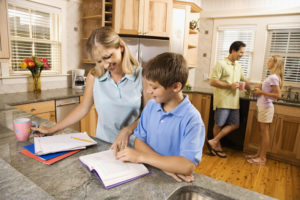
Calmly tell your child that when you receive their reports you will read them, discuss with them and make a plan to help them do better.
When you receive the report, read it through a few times to get the full gist.
Remember that teachers are human, over-worked, underpaid, underappreciated and also dislike reports- probably more than your children! They try to be fair but may miss some areas where improvement has already begun. Reports often do not reflect recent grades and levels of motivation.
Read each subject results and comments and read between the lines.
MAKE SURE YOU READ THE INFO AND GUIDE TO THE REPORT. THE
BACKGROUND INFO IS CRUCIAL!
If you don’t read the guide you will likely misinterpret it. The letters and numbers have different values to those you expect from your own school days.
If you can see there is definitely a problem in some area, make an appointment to see the teacher and ask what you can do to help.
Then make a plan and encourage your child to be a real part of this plan.
Ask them what they think will help them improve. I am so often surprised that this step is skipped when learning plans are made for children. They often have quite an understanding of what they really need.
Write the plan down and allow your child to decorate it and display it.
Make sure you specify WHEN and HOW this plan will be carried out and make sure your child has an attractive work area with all tools such as pencils, dictionary, paper etc handy.
All children can improve educational outcomes.
They need the 3 Hs- HOPE HELP HOW to enable this to happen.
Any parents who would like free advice on how to help children with poor reports may contact us at victoriacarlton@iinet.net.au

 ions. They help children feel grounded, part of the community to understand their connections to the past.
 y be adapted for any classroom and are great to use at home!