What Hudson Taught Me

hudb
I have had a little “just under 2” child staying at my house for a few days and his Mum boldly told me, “We are not leaving till you have taught Hudson to read!”

MMMMM- bit of a challenge there!
Joanna (my daughter), grabbed the Jolly Phonics manual and made some flash cards of the first few lessons and taught Hudson the sounds and actions. Amazingly he just learned them and now LOVES to practise- until he gets bored and wanders off to ride his bike or whatever!
I realised when he left that Hudson taught and re-taught me quite a few lessons that ALL hudcteachers need to remember. He taught me more than I taught him! Here are a few things I learned about toddlers!
• Don’t push it- when the learning is over, it’s OVER.
• Young children can easily learn the sounds and in fact enjoy this.
• Children will take your specially constructed games and invent even more interesting games to play!
• Music and movement trumps everything else!
• Humour and a good dose of silliness makes EVERYTHING work!
• Strong colours in books really attract.
• Children do not need expensive toys. In fact almost everything you need to teach a toddler is already in your house!
Kids want to do EVERYTHING themselves!hude
They have an insatiable curiosity and are therefore completely open for learning!
There is no joy greater than playing with a completely free and inventive, creative toddler.
If you can- arrange to spend a few hours with a toddler this week. You will re-discover your inner child and be forced to be creative!
Hudson’s coming for the day on Friday and I’m excited!
The ABC of Child Whispering I is for INTERESTING

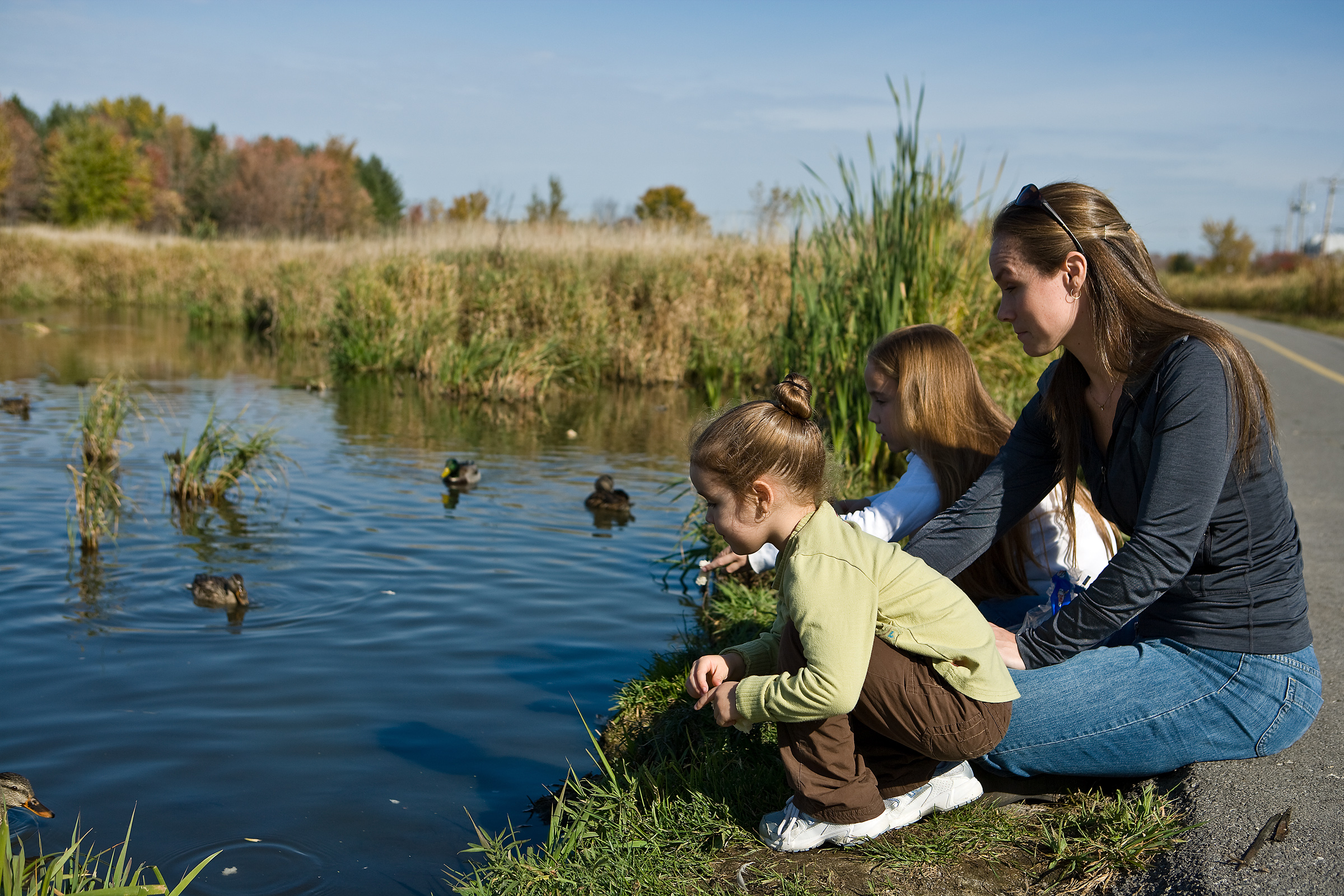
kids ducks


Children are intrigued, interested and in love with life. The art of child whispering includes the capability to provide enriching, interesting experiences to help children pay attention and engaged with their learning.

Children do not pay attention to BORING, and neither do we! There are boring things that we need to teach children (e.g tables, spelling etc) but it is up to us to find interesting ways to make that happen. Just this morning I found a Superhero program that will zap up our tables practice and no doubt I will be looking for another one within 6 months!

The ability to sense children are switching off is paramount to acting quickly and facilitating optimal learning. Watch their eyes- boredom is easy to spot!

Here are 10 ways to keep learning interesting

Use auditory, visual and kinaesthetic strategies to make sure ALL children are engaged.

1. Vary your voice so it is not a monotone.
2. Use colour as a learning aid and allow children to respond in colour rather than just grey pencil.
3. Include lots of experiences with the natural world as children are totally intrigued by nature.
4. Be clear about the outcomes and standards you expect.
5. Be clear about discipline and rewards and consequences.
6. Encourage children and show them HOW to improve.
7. Ensure your learning program can be “tweaked” so that children who need to have their learning extended or slowed will have needs catered for.
8. Be enthusiastic yourself and allow children to see you are also a learner.
9. Make sure children have some spare time to do anything they choose (within limits!) The biggest complaint I hear from children of all ages is that they have no spare time.
10. Model leading an interesting life so that children will see that you have fun too and love to learn and experiment with new things.

An Inspirational Woman!

chris


I caught up with my friend, colleague and “inspirer” yesterday at the Singapore Preschool teachers’ conference.

Dr Christine Chen is a bright, shining Jewel on the Singapore Preschool educational scene and I am proud to have been associated with a few of her myriad projects!

Christine commented to us, “My job here. has finished,” in response to the tremendous outpouring of creativity and showcasing of quality pre-school programs on show. She is both right and wrong!

Yes Christine- you have done an amazing job and what a transformation over the last 20 years but Christine- you are still needed! All your ideas, passion, clear thinking are needed on the world stage now as well as in Singapore. We ALL need you. The children around the world need you!

It is the Christine Chens of this world who humbly work towards helping children and transforming their world. People like this think clearly, stick to their visions, work incredibly hard and remember it is all about children. We all need models like Christine to inspire and lift us up!

Sorry Christine- your work will NEVER be finished but may your journey be blessed and joyous!

There’s nothing wrong with me! by Guest Blogger Kelli Gander


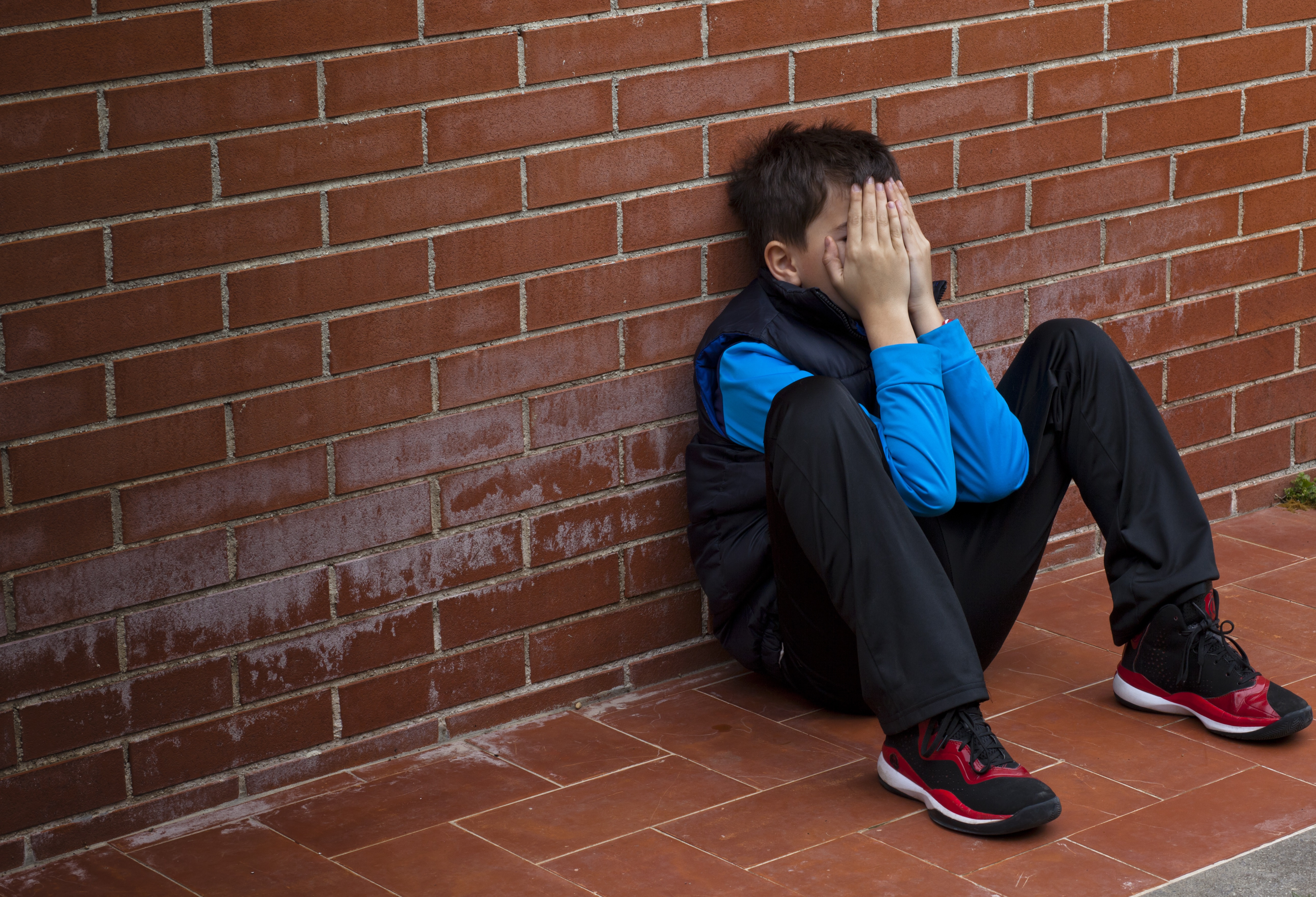
bambino disperato si copre il volto


There’s nothing wrong with me!   (Embracing the quirky)

It never ceases to amaze me how many children I see each week who have been branded with one label or another. There are your standard ADD, ADHD, APD, CAPD & AMD’s. There’s your ED, NLD, ODD, PDD, AFD and AMD’s. Then we have less common Dyscalculia, Dysgraphia and Dysnomia (believe me when I say that there are many, many more). Obviously there are children out there with very real problems preventing them from functioning fully in a class room but where has this enormous growth in disorders come from and who is it driven by?
Is it the teachers who no longer know how to manage multiple personality types or learning styles, the parents who need to rationalise why their child does not fit into a predetermined mould or is it the professionals cashing in on the insecurities of those parents whose children are just ‘a little bit different’.
We have a saying in Victoria Carlton Programs and it is ‘embrace the quirky’. Children, like adults, are all unique but somewhere along the line, unique has become bad and these children have become problems that need to be solved, disorders that need to be diagnosed and something that needs to be fixed.
When was it decided that all children had to think, act, learn and behave in the same way? Why is there no room left to be different, individual, quirky and just a little bit odd? Anybody who is the parent of a quiet, well behaved child knows that compliance and silence does not equal understanding or higher levels of ability and I can say with all certainty that the quirkiest children are often our most gifted, creative and brightest but they do not fit the mould. They come outside of the box, they challenge us, question us and often exasperate us but does that mean there is something wrong with them, a deficit or flaw waiting to be diagnosed.
It honestly breaks my heart to hear a child say “I can’t do that because I am (or) I have….”and then they are shuttled between one specialist or other to receive another label or another diagnosis. Energetic five year old boys who don’t sit still during mat time have ADHD, creative children who don’t colour in the lines have fine motor issue, introverted children who daydream in class, have auditory processing problems.
This problem is not exclusive to our children either but also effects parents, who are being led to believe that their one of a kind offspring is somehow faulty, which then keeps this perpetual wheel of diagnosis and testing turning. As parents we are often insecure but we are the ones who know our children best and we should not be afraid to use our voices and say that being different does not equal something wrong that normal is not a one size fits all mould used to compare children against each other.
That child who is obsessed by potatoes, only ever writes about Komodo dragons, is better at math than English, would rather run outside than tell news, talks a lot in class, doesn’t like poetry, forgets what the teacher just told them, can’t sit still for long, repeats the bad language they hear their parents use, only wants to colour in green etc etc etc……..they are all ‘normal’. Let’s all try, not only to embrace but also to celebrate the quirky and stop telling our children that there is something wrong with them!

You say discipline, I say humiliation! by Guest Blogger, Kelli Gander


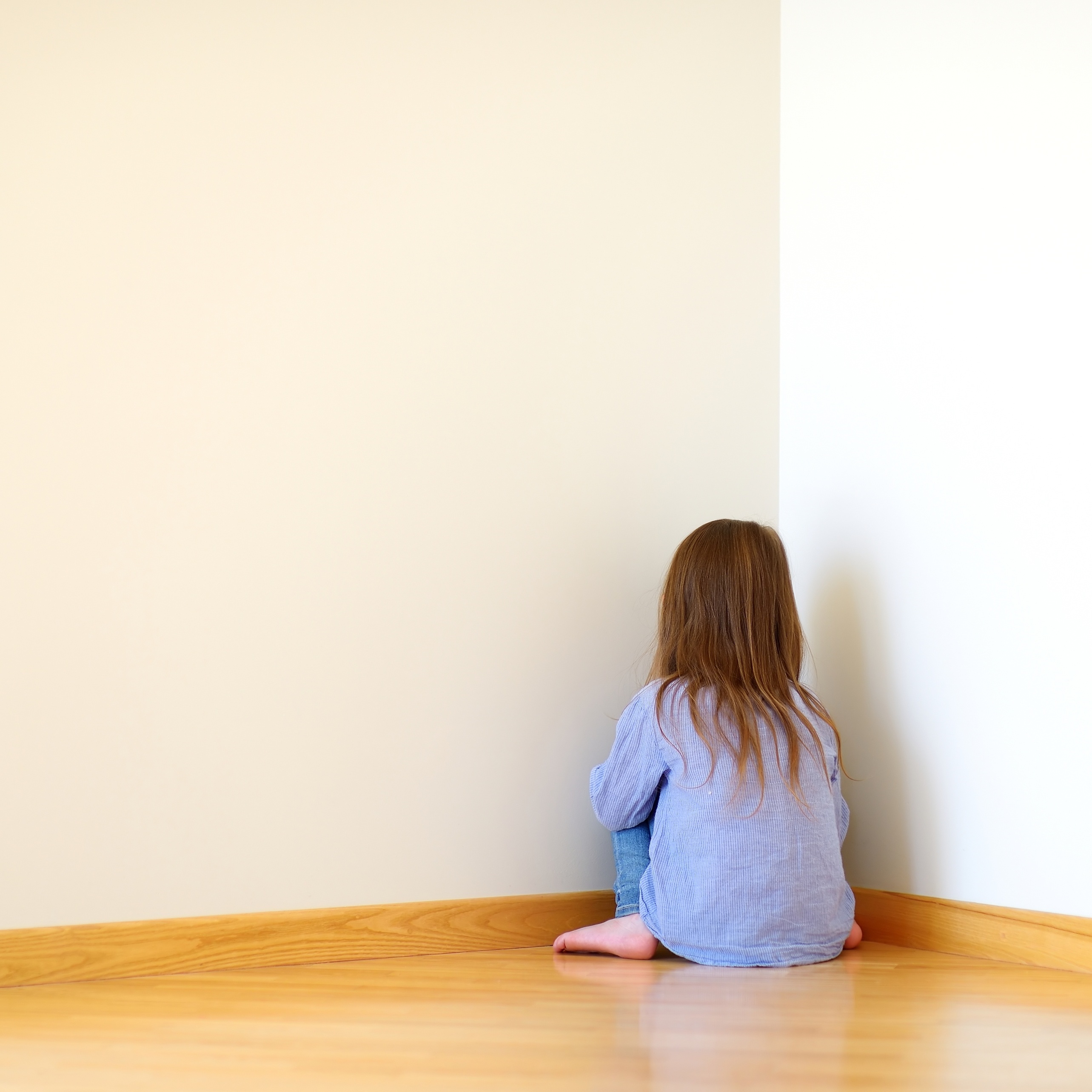
Sad little girl sitting in a cornerIt is no secret, teachers are like circus performers. They are  constantly juggling tasks, performing classroom magic, taming, orchestrating the show and entertaining and engaging a very tricky audience. All the while they do this they are also walking a very fine line between creativity and control, process and product, function and freedom.

That line will vary class to class and teacher to teacher. It will depend on personal philosophy, experience, training, skill sets and individual expectations but what happens when the line gets crossed, particularly when it comes to behaviour management of children?

I had a recent experience of this that was close to me. The teacher described her actions as discipline, I considered it humiliation. She said she was using a routine classroom strategy and I said she was shaming in order to achieve compliance. So where is that line?

I know for me personally, publicly shaming a child is never appropriate. Whatever short term gain the teacher may feel they have made is out weighed, considerably, by the emotional anguish and negative feelings the child suffers as a result.

I spoke to many adults, both friends and colleagues, who had stories of school day traumas that stay with them still, after being made emotionally vulnerable by a classroom teacher. Did it change their behaviour long term? Apparently no!

It would seem that research agrees. After a 3 year study by the University of South Australia, it is evidenced that exclusion and isolation of children is an ineffective means of affecting a change in student’s behaviour.
So why does it still happen routinely in our schools and why is it tolerated and considered acceptable? Perhaps not enough thought or attention is put into considering the rights of the child. That is not to say that the teacher should be left powerless but surely isolation, naughty chairs and public shaming are old and antiquated methods for our modern, emotionally intelligent and creative educators.

Surely we don’t have to make children feel bad about themselves in order to achieve a behavioural objective. Let’s use our powers for good, not as an emotional weapon to achieve a short term goal with possibly very long lasting emotional effects.
You say it’s discipline, l say It’s humiliation and I know my voice is not alone!

Another brick in the wall?

Robot child reading a book.

What sort of an education do we REALLY want for our children?
Maybe it’s time to listen to the Pink Floyd song again but this time really listen!


Do we really want to turn our kids into robots or “just another brick in the wall?”
There are clear choices:
Choice A: Do we want happy, well rounded kids with high emotional intelligence and a wide range of talents and interests? Do we want kids who will become life-long learners? Do we want kids who love reading and love to express themselves in writing and enjoy the elegance and challenge of mathematics?
Choice B: Or do we want kids who just regurgitate facts like trained seals and do not know how to think or even have anything to think about?
Most definitely the British and Australian Governments are choosing the latter and this will have hugely negative effects on children’s well-being and ability to think, create and dream. We are in effect, once again abolishing childhood!
This is a really interesting article about the British Government trying to adopt a more test oriented approach to education- somewhat like the Chinese one; and strangely, at a time when China is moving away from this because it simply does not work!
https://www.facebook.com/sharer/sharer.php?u=http%3A%2F%2Fgu.com%2Fp%2F4b8h7%2Fsfb&ref=responsive
The Australian Government is doing exactly the same. It has used the big NAPLAN stick to try to beat schools into some sort of results driven shape and reduce them to the type of school written about in Dicken’s Hard Times.
“Now, what I want is Facts. Teach these boys and girls nothing but Facts. Facts alone are wanted in life. Plant nothing else, and root out everything else. You can only form the minds of reasoning animals upon Facts; nothing else will ever be of any service to them.”
― Charles Dickens, Hard Times
It doesn’t have to be like this.
Children CAN learn the basic literacy and numeracy skills without the hugely expensive and inefficient NAPLAN process.
I don’t think all testing is wrong. As teachers we need to be aware of levels, learning styles and have practical plans to help ALL students reach their potential. However, teachers need to be given the tools to teach effectively, the resources and mentoring they need and to be trusted to get on with the job!
Term one in many schools is now given over to the new subject: NAPLAN! Kids do long, boring tests that effectively teach them how to pass tests but not much else. This means that 4 terms of work have to be crammed into the three remaining terms. No wonder teachers are tired, stressed and unwilling to teach the NAPLAN years.
We have to wake up from this soporific educational haze and look at what DOES work. I for one am sick of all the sycophantic praise given to Finland’s education system (one that DOES work) and then watching the Aussie Government totally ignoring good practice and reverting back to the big stick of testing!

Now the problem with standardized tests is that it’s based on the mistake that we can simply scale up the education of children like you would scale up making carburetors. And we can’t, because human beings are very different from motorcars, and they have feelings about what they do and motivations in doing it, or not.

Learning happens in the minds and souls, not in the databases of multiple-choice tests.
Sir Ken Robinson

Careful- I can hear you now!

loud1 I can hear clearly now the wax has gone. I can hear all sorts of things I should not hear!

I can hear clearly now the wax has gone. It’s gonna be a loud, loud, interesting year!

(abject apologies to Johnny Nash!)

I have just had my ears syringed out by a wonderful health professional who knows me well. She warned me I might feel unbalanced and she was frankly amazed I could still hear anything at all! I fly frequently and over the last few cold and flu infested winters had built up my own candle making factory.

However – the magical moment arrived when finally the sound came in and for the last week I have felt like Alice in Wondersoundland!

My aunt and I had champagne and oysters in Harrods straight afterwards and I swear I heard enough whispered conversations to bring down the House of Lords!

For the past week I have heard EVERYTHING and I am like a kid with auditory processing issues. What shall I listen to? They are ALL interesting???

I am like an owl inclining my neck this way and that to catch all the things I should not be hearing!

Kids will NEVER be able to have hidden conversations again- I can hear the lot!

The dishwasher is so loud it frightens me and don’t even talk about the dryer- that puts me under the table!

But the point is- what to listen to? All these competing sounds and many of them boring so I am paying attention to the interesting ones- like the whispered conversation between the middle aged business man and his secretary on the table next to ours at dinner last night!

No wonder children choose not to listen to us! While I had the wax issues, all I could concentrate on was what I was doing. Now I am an ADHD nightmare going from one inbox DING to the next and eavesdropping on naughty conversations! There is something to learn here but I am too busy listening to the very loud bird noises outside this window and the traffic noise from the highway that I never heard before!

What a very loud world we live in!

JIGSAWS- A POWERFUL LEARNING TOOL!

jig 2

I have always loved jigsaw puzzles.

Children learn so much by the manipulation of shapes to create pleasing images.

Recently I watched children complete a simple, colourful jigsaw about the farm.

To complete it they had to think logically and find 4 right-angled corners, border pieces, keep checking the picture and go from large picture to small details. They had to concentrate fully and commit to actually completing the puzzle. So much learning took place!

There were various times when it wasn’t going so well and they had to problem solve and cooperate. There were some cross words as they disagreed on various methods. (It was a large and difficult puzzle for a 3 and 5 year old!)

Finally I watched their increasing concentration and mounting levels of anticipation and excitement as the gaps decreased and the picture came together.

And finally it was done!

One child wanted to rebuild straight away, the other wanted to just enjoy. We are all different!

Then the teacher in me kicked in.
We talked about the content and colours. We counted the animals and talked about the theme of the picture.

It sat on the floor for hours. A proud testament to their ability to stick at something,

Jigsaws are also good for adults. Studies have found that active adults who regularly complete jigsaw puzzles and crosswords experience longer lives and have less chance of developing Alzheimer’s, memory loss, dementia and other problems related to old age.

Dopamine production (crucial for learning and memory) is increased when we do jigsaws. They also increase our concentration, develop creativity and helps us to visualise, lower breath rate, reduce heart rate and blood pressure.
What’s not to like?
Start a jigsaw today!

KIDS NEED TO TALK!

Funny child in eyeglasses standing near school chalkboard  as aI am reading Maxine McKew’s book: CLASS ACT: Ending the education wars.

What a great honest, hopeful look at education. And what fantastic innovations in schools and amazing principals and teachers highlighted!  http://www.maxinemckew.com.au/

It is a grittily truthful (sometimes brutally so) book that offers a real look into BEST PRACTICE for education and cuts through so much of the meaningless claptrap that surrounds the whole subject of reforming our schools and giving our children the BEST rather than the cheapest and easiest educational practices!

I am at the JOLLY PHONICS conference at the moment and so read with interest the timely reminder from Canberra academic, Misty Adoniou (Quoted by McKew):
“Australia’s scores in international literacy tests aren’t dropping because he students who sit those tests don’t know their sounds. They are performing poorly because they cannot comprehend what they are reading. They have poor vocabularies and cannot follow sentences that employ more complex language structures. They cannot read between the lines. Our low achieving students share one, very telling characteristic. They don’t speak “school English” or standard Australian English, at home. They may speak a language other than English, Aboriginal English, or a creole, or “bogan” English ……But it’s not school English: it isn’t how the teacher speaks and it certainly isn’t what international tests or NAPLAN reward.”
“Adoniou goes on to make the point that it is the schools job to teach standard English so that everyone can participate in the learning that is meant to take place at school, but she notes that many teachers struggle to help the underperformers because of their own limited training in the fundamentals of linguistics- phonetics, semantics, morphology and syntax”.
This is really important as it points the ever-increasing need to make oral language the lynch-pin for literacy in ALL countries. I think our race to teach decoding and basic phonics might at time cloud our judgements here. We need to get these kids TALKING so all this literacy “stuff” can MEAN something. Time for reflection and meaningful examination of classroom practices?

FUN SCHOOL by Charlotte 7 years

fun schoolWe should have a cafeteria so we can pick the food we like and and not have to eat yucky sandwiches.
Teachers should not give kids work that is too hard to handle.
We should have a choice about what we do.
We should learn the way we want to learn.
There should be less sport and more fun stuff like puppets and soft toys.
we need teachers who are nice and don’t yell.
I rate my school at 6/7 out of 10.

error

Enjoy this blog? Please spread the word :)