 IF MUSIC BE THE FOOD OF LOVE. . .
Think about the first steps you took as a child. You were a baby when you first started walking and even though there were a few wobbles and you fell over more times than you stood up, your parents clapped and cheered. They smiled and encouraged you to keep trying.
Reading music and singing and clapping a rhythm is the same. Children are instinctively perceptive and will often listen to music to identify familiar melodies and rhythms. Music then grows out of an attempt to make sense of the world around them. Parents can encourage their child’s listening and focus by setting the scene with a favourite song so the child is able to instantly recall the sequence of events in the story. Children just beginning to read will often join in with singing their favourite song, even making up the words as they go…
When teaching children their ABC’s, learning occurs best when set to music. Music is everywhere, from memorable tunes in television shows, to background music played in and children learn to associate the beginning of their favourite television programme with the first chords of the song.
Young children are naturally wired for sound and it is so important that parents harness this ability by allowing children to experiment with rhythm, notation and sound. Overturned pots and pans, ladles and soup stirrers magically become musical instruments for the afternoon before returning to their more traditional, somewhat boring, role as dinner utensils by 5 o’clock. Mirrors and hairbrushes have the power to transform into a veritable stage-setup at bathtime, only to find their powers once again harnessed to the top of the tallboy by bedtime.
Music creates happiness like no other medium can. Whether it is singing into a shampoo bottle, dancing like no one is watching, acting out a play for Grandparents Day, or simply belting out a tune to bring a smile to mum’s face on Mother’s Day, music is a whole concept that fosters play, fun and laughter.
Greater mindfulness, improvement in memory skills, better experimental writing, reading with purpose are all skills being introduced and honed through the application of music. If music in the home can create a fun relaxed environment for harmony, cooperation and bonding, then play on!
Music MATTERS! by guest blogger Joanne Sundra
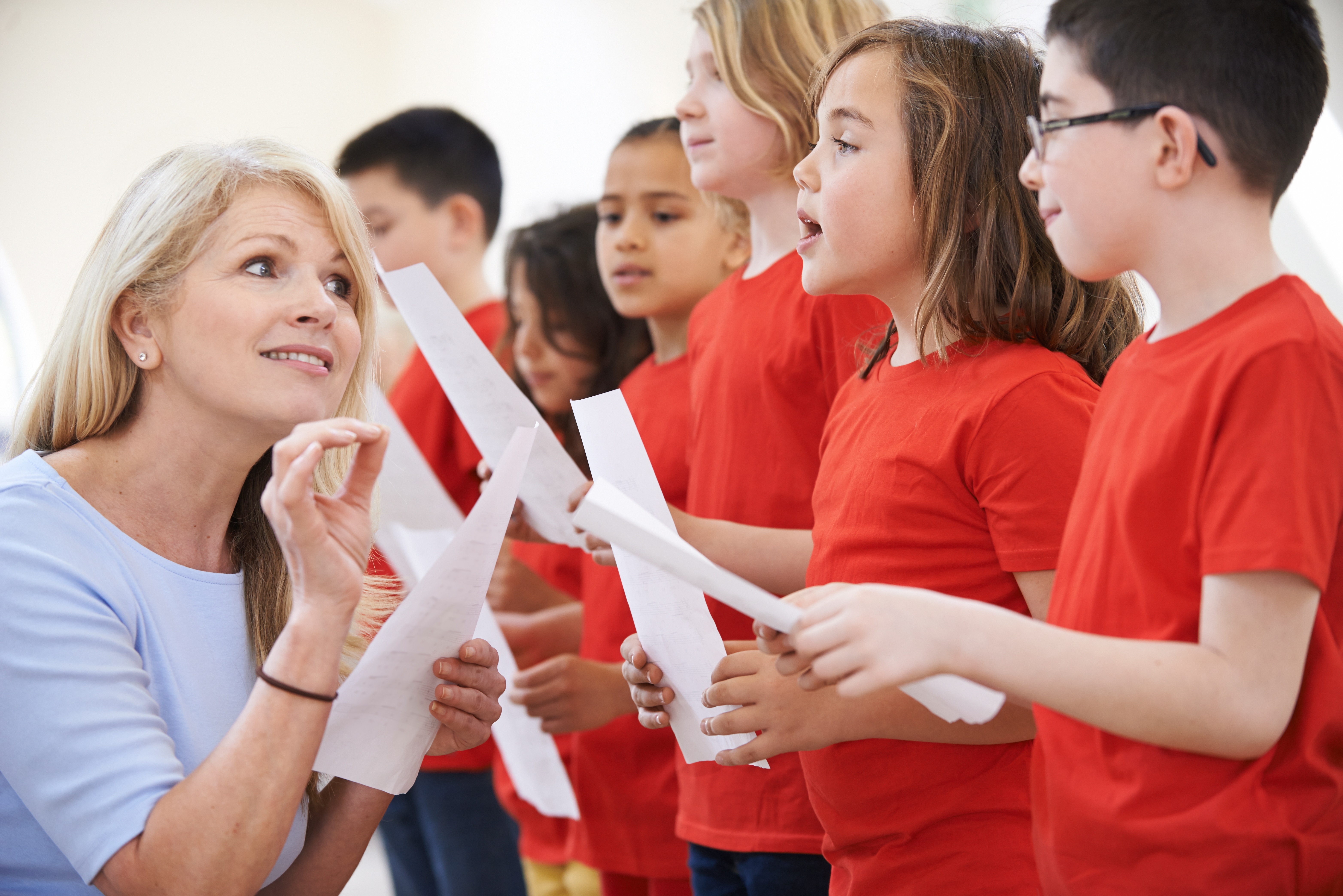 “Music gives a soul to the universe, wings to the mind, flight to the imagination and life to everything.”
– Plato
Teaching music to kids is CRUCIAL- not an optional extra!
When learning music students learn to let language flow and improve auditory memories through listening to beats and copying rhythms.
Repetitions when singing charted songs improves word recognition and reading fluency.
Children LOVE to make up simple songs about their daily happenings and this increases their MUSICAL INTELLIGENCE.
They can take favourite books and poems and sing them. (Just like in the popular TV show Spicks and Specks)
.
Music forms a bridge of understanding so children may learn about the world through stories and songs.
Many concepts are learned and deepened when children learn nursery rhymes and common songs.
Children with speech problems such as stutters, improve when given daily music practice.
Many children can remember facts about tables, grammar and spelling rules by singing simple songs written to help them revise these concepts.
The music and maths intelligences have many connections and the sense of order and harmony in music is expressed in the patterns and order of mathematics.
Music is an effective stimulus that affects students’ emotions and makes the memory work more effectively. Think about the memories that flood in when you hear favourite pieces of music.
Elderly people can recall first loves, people with alzheimers can be helped to improve memory with regular music sessions.
Music is a POWERFUL learning tool!
By using music in the curriculum, teachers create an environment that is conducive to learning, stress is reduced, and the stage is set for SUCCESS!
We will be commencing JOLLY MUSIC this term and teaching children to listen, concentrate and respond to simple instructions. They will learn to use their voice as an instrument and auditory memory, phonological awareness and understanding of rhyme will improve.
There is no doubt that maths and literacy skills increase when carefully sequenced and well – researched programs such as JOLLY LEARNING are used with children.
All CHILDREN DESERVE THE CHANCE TO LEARN MUSIC!
Tomorrow we will write about ways parents can effectively integrate music into their home environments to promote harmony, a sense of fun and improved learning outcomes.
Call 92714200 or email iceinfo@iinet.net.au for more information about our programs.
I am bilingual, I can speak Maths! from Kelli Gander, Guest Blogger
I am bilingual, I can speak Maths.
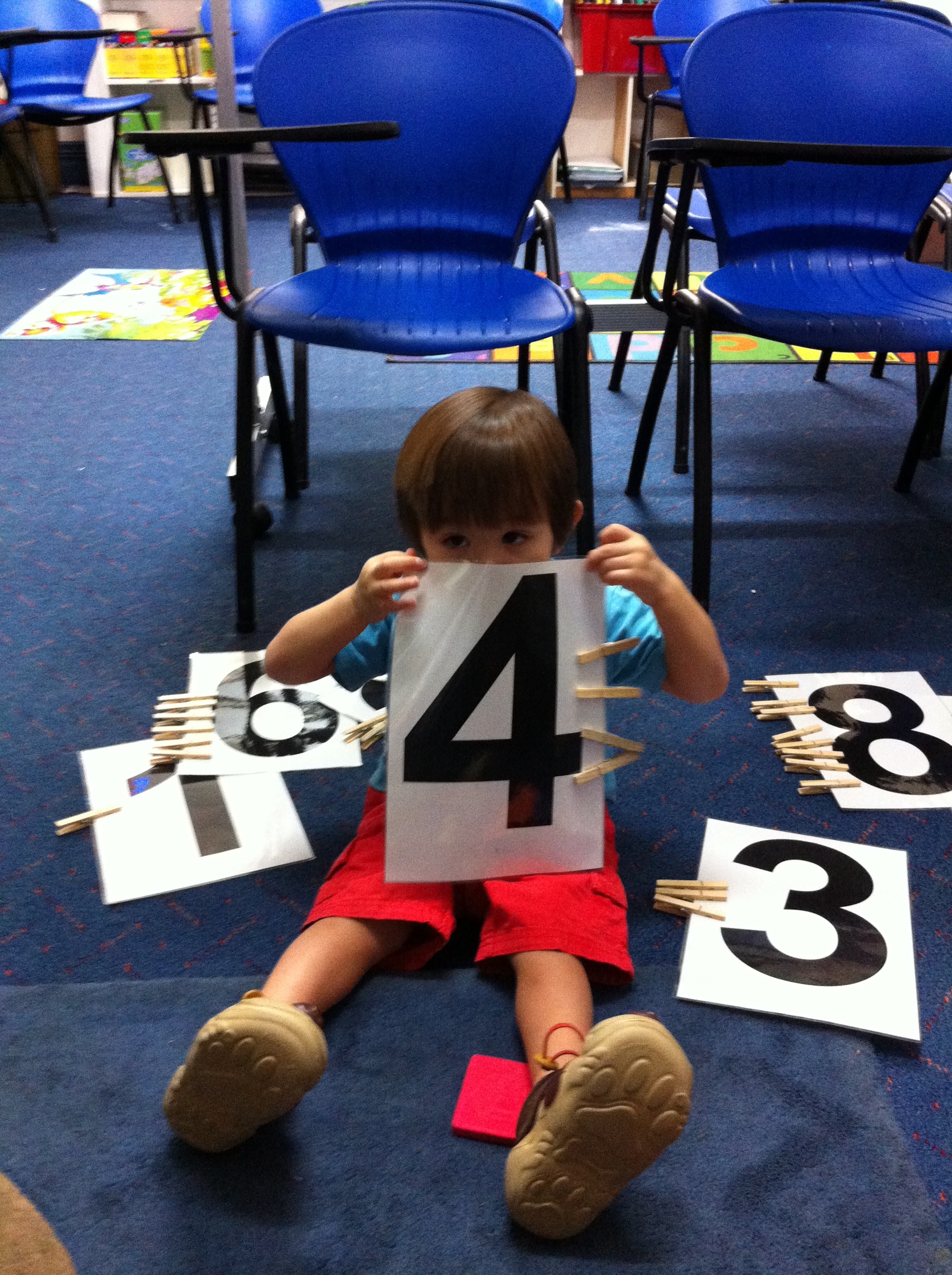 Not many of us master a second language especially at just two or three years of age but this is exactly what we ask of our children when we introduce maths without a good, hands on, interactive program.
Like a jumble of ancient hieroglyphics or complicated Japanese Kanji, those lines on a page hold little meaning for the beginner and we need to decode and demystify them by linking them to all other aspects of their learning.
We might not remember all the words but we know that it was “five little ducks” that went out one day, over those hills and far away and that the “hungry caterpillar” ate through not one, not two but through five oranges!
It was Confucius who said “I hear and I forget. I see and I remember. I do and I understand” and it is this principle we need to take with us when teaching math, not just to our toddlers but to all of those children who do not hold a high maths/logic intelligence.
What is a 6? What does it look like (can we draw it, can we pile up 6 objects), what does it sound like (can we clap out six beats, can we blow a whistle six times) what does it feel like (can we jump on the spot six times, can we roll a six out of clay). What happens when numbers go up, do we have more or less, is our pile getting bigger or smaller are we jumping more times or less times?
This approach extends beyond the toddler too. How many lollies do I get if I share them equally among my friends, what portion of the cake will I get if I divide it among eight people and is it the same if there are six of us? How many will I need altogether if my 3 guinea pigs need four carrot sticks each and how long will I be revising if I spend 20 minutes on four subjects and start at 4:30 in the afternoon?
Maths is all around us all the time. It is in the songs we sing, the books we read, the games we play, the order of our day. We don’t learn to drive a car, bake a cake or teach a child without ‘doing’! We can help all of our children to be fluent speakers of maths if we remember this simple fact and let them ‘do’ as they learn.
NEW START for brave kids!
NEW  START FOR 16 KIDS!
On Good Friday we launched the EASTER NEW START program in Singapore.
What amazing, receptive kids they were!
We went through a gradual process, learning to regularly express GRATITUDE, reviewing our SMARTS, stimulating our brains, writing AFFIRMATIONS, writing goals and much more!
I have learned that children DO want to be motivated, and reach for the stars. They often feel hopeless and don’t know where to start. These kids were SO receptive and I observed so many acts of kindness from them throughout the day. Most children did not know each other well before the workshop- many had formed firm friends by the end!
I had children of all ages in this workshop and they were fascinated to learn more about their brains and find out the RULES FOR GETTING SMARTER.
Of course the hard work starts now and I sincerely hope the children will continue to use these KEYS TO SUCCESS.
Well done children! It was a privilege spend a day with you!
We will be holding a similar workshop with children in Perth on Friday and I thoroughly look forward to it!
A MOVING EXPERIENCE
A MOVING EXPERIENCE
 Today I walked with many thousands of Singaporeans to pay respect to Mr Lee Kuan Yew.
We emerged at the closest MRT station to a huge sea of people. In any other country, including Australia, I would feel slightly nervous around that number of people but not here.
People are queuing up to 10 hours to pay their respect and the hours of viewing per day have been increased to 24!
They were united in their purpose, aged people, children, pregnant women, young men, school kids- they came in their thousands with one common intent – to pay respects to their founder. And the mood was sombre but happy and sincere.
People gave out fans, drinks, food and there was an incredible sense of community. We walked in groups for a few hours, and the mood started to change and become quieter and more reflective as we approached Parliament House.
Each of us was lost in our own thoughts about this man. Each one of us needed to reflect and dwell on what effect this many had on the world. A great man has passed away. A man many of us in Australia disagreed with as young people, and yet if you take the long view- his achievements were amazing. His values, determination and in particular his unerring integrity and vision speak for themselves.
At Parliament House we were sincerely thanked for coming and we silently filed past the coffin. The mood was so quiet, respectful and lovingly solemn as each person bowed to show their respect.
It was a slice of history that will not be seen again.
It is a privilege to be here at this sad but curiously uplifting time!
Mr Lee Kwan Yew: A Modern Day Hero

I am writing a children’s book about TRAILBLAZERS – people who have forged ahead, been innovative, determined and achieved their goals. I find that children are desperate to hear such stories and sadly starved of them!
I have tried to focus very much on people children can identify with to help inspire them to “reach for the stars” themselves.
There are stories of kindness, cussed determination, a boy with learning difficulties who was determined to read, a woman who never goes anywhere without cat-food in her handbag and much more. Collecting these stories has uplifted and inspired me and I cannot wait to share them with children!
Yesterday, when hearing the sad news of the passing of
Mr Lee Kuan Yew, I found myself pondering his story. What a modern-day hero! This man showed incredible bravery during his life, determination with his studies, such reverence for education, absolute love of country and amazing planning and organisational skills in order to forge the prosperous and peaceful Island state of Singapore. What a story!
His story needs to be studied by children and not just by Singaporean kids!
He was the leader we all joked about in the West with the threats of haircuts for long haired young men, passing through Singapore on their ways to the hippie trails of the India and the Middle East.
We had no idea what he was really doing. He couldn’t have cared less about our opinions! He just wanted the best for his people and he got it. That singleness of purpose is a unique characteristic that is hard to achieve but that plus his high values makes Lee Kuan Yew such an inspirational figure.
Yes – I know there are detractors who point out his faults but at the end of his days he died a HERO– a man who held steadfast to his vision. A giant of a man!
RIP Mr Lee Kuan Yew- we have all learned so much from you. Let’s make sure your values and achievements are shared with children all over the world- these kids NEED and HUNGER for heroes in this sadly pessimistic, rather dark world we dwell in! You were the ultimate TRAIL BLAZER!
“WHAT IS SPARE TIME?” Vicky
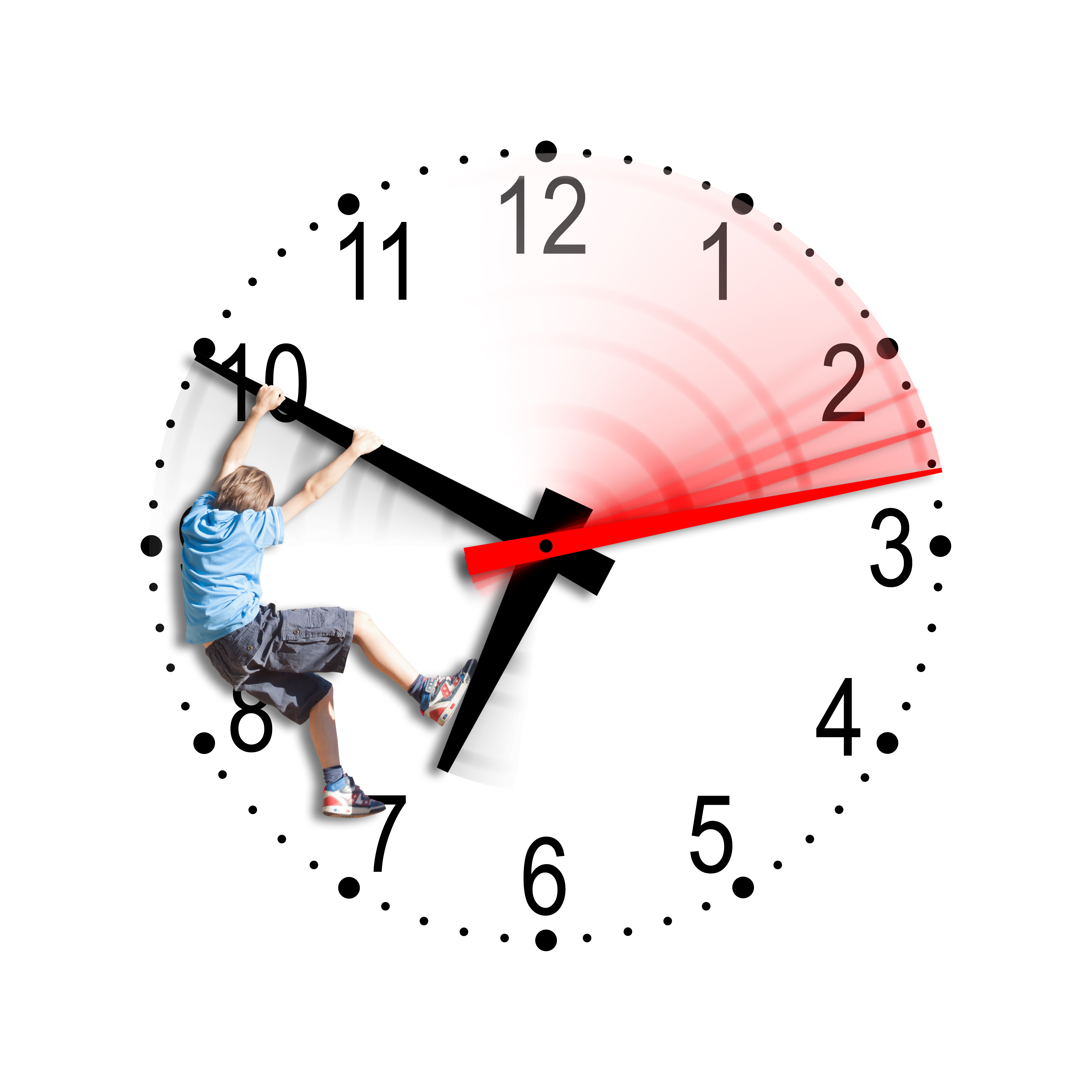
So sad that kids do not enjoy spare time these days.
As soon as an activity is finished they ask, “What’s next?”
Occasionally I answer, “Nothing for a while!” Just to watch what they do. It makes them so uncomfortable.
But Vicky what do we do?
Nothing.
Wonder.
Think.
Dream.
They stare at me like I am a total crazy!
Then I tell them what I used to do when I finished my work at school. I NEVER asked for more. I would sit quietly and THINK and DREAM and hope the teacher did not notice. (Judging by comments on my reports they did!)
I show them pictures and models of brains and show them the right hemisphere and tell them- “I used to go into that part and so must you!”
A few years ago I was finishing off an EQ4KIDZ course in Singapore and we hadn’t filled in every page in the workbook but we HAD completed all the learning and the kids had done so well.
I was saying, “Goodbye” and congratulating the children when a child raised his hand and politely asked,“What about these empty pages?
“Vicky, what should we do?”
I answered, “Just finish in your spare time Eugene.”
He stared at me uncomprehendingly. (Remember this kid speaks English most of the time and definitely knew what SPARE meant and also what TIME meant.)
“What is spare time Vicky?”
Luckily his mother was my teaching assistant and she heard, she GOT it and positive changes were made.
We program kids to DO DO DO. It is as if we are frightened of what they might do if they had a spare minute. Are we scared of our children?
But I ask you-
Where will our inventors come from?
Where will our future dreamers and visionaries come from?
How can these children learn to think when we keen telling them WHAT and HOW to think and even WHEN!
Spare time is that delicious interlude when you sit on the veranda and think, daydream (which is actually very good for the brain) and ZONE OUT.
When we empty ourselves out, more can flow in.
Children MUST be given spare time otherwise we rob them of the joy of freedom, creativity and imagination.
Come to think of it- I haven’t had much of this time either lately –
I’m off to the beach………..
THE SANDPITS ARE EMPTY
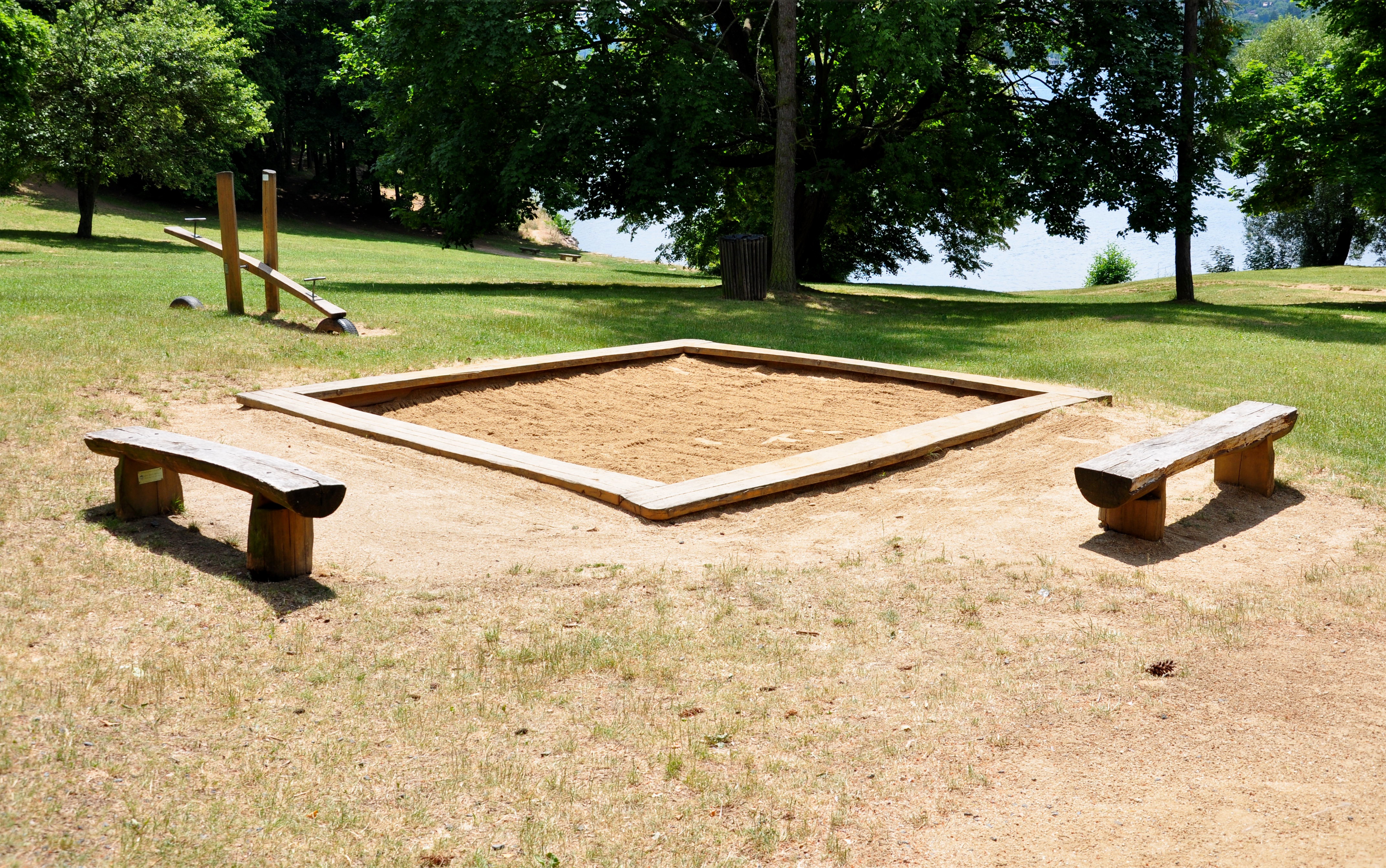
The sandpits are empty
The Block Corner’s dead
A child is now only a bodiless head!
Within all the research about brain plasticity, brain stimulation, accelerated learning, directed and explicit learning a robbery has taken place.
Children are being robbed of their childhoods.
We’ve lost sight of what children need and who they are.
They are being hooked up to machines that supposedly take the place of teachers or parents and left to repeat and repeat.
They are sitting in rows looking at flashcards and parroting answers.
The sandpits are empty, the block corner is quiet.
Their eyes look dull and it is obvious they are starting to perform like trained seals.
Is this what we want for our children?
Is it REALLY all about results? Results of what?
Sure, we must teach in the best way possible and there is nothing wrong with explicit teaching methods – we use them every day.
What IS wrong is the lack of thinking, experimentation and curiosity driven learning.
I WANT Jolly Phonics and Jolly Grammar and many other effective literacy and numeracy programs to be used in schools. I just don’t want these used to the detriment of social skills, motor development and general vocabulary development.
We can take steps to make sure this does not happen. We just need to THINK.
Children could trace their spelling words in sand-pits, learn about volume and capacity in the sandpit and build a model of the narrative they have been listening to.
They could use plasticine to model sight words and numbers.
They could build simple structures to help them understand a spelling rule.
Who ever said that learning has to be boring and have a punitive feeling?
Are adults so angry with their fun-less lives that they have to rob children as well?
Worksheets are not always the way. Properly designed worksheets may help children to pass specific exams and practise skills that require a great deal of repetition but there is ALWAYS an alternative – even if it involves a little more planning.
We did need a U turn in Australia. For many years we had a lack of curriculum documents, laissez faire attitude and “she’ll be right” does not work in education!
BUT – we did not need the big NAPLAN stick and the factory approach that is robbing children of their right to just BE, to think, to wonder and to dream.
Some balance PLEASE?
Good GRACIOUS ME!
 Teaching GRACIOUSNESS
After pondering the difficulties of teaching graciousness for 2 days my quest was answered!
On Monday I assessed a very polite child with great manners and an excellent sense of humour! He was not scared to let me see his weaknesses and knew his strengths but wanted to improve on everything! I realised I had a gracious child on my hands!
During the parent interview it became apparent his parents had deliberately set out to set up a loving but firm home environment.
Graciousness is not a personality trait. It has to be taught.
And it CAN be taught – to ALL children!
It is interesting to note that the word GRACIOUSNESS was at highest usage in around 1815 and almost left the collective vocabulary in the 1990s. It is gradually coming back into common usage. I personally believe our language tends to reflect our social mores and the interest in GRACIOUSNESS is a positive development.
Parents are actually beginning to ask about strategies to develop graciousness and all its associated qualities.
So how do we develop this elusive quality that has synonyms such as kind, elegant, comfortable, tender, well mannered, polite, considerate and thoughtful?
Children who have these qualities stand out like beacons to teachers. They are easier to teach, make friends easily and generally do well with their careers because their EQ tends to be a lot higher. They present a positive image and people want to be around them! Their good manners are so practised they appear to be second nature and we feel an “ease” with these people.
This is not something that can be learned at speed.
Here are some tips for parents and teachers:
• Tell children why their behaviour is helpful or not. Graciousness is about considering the needs of others before ourselves and is woven into the fabric of every major world religion.
• Read them books where people exemplify graciousness.
• Teach them good manners and insist on their use at all times- privately and publicly. Teach them social niceties so they will develop confidence in all social settings.
• Help them develop an attitude of gratitude. Families might keep a joint gratitude journal so that everyone writes or draws something they feel grateful for in every-day.
• You can have a special beautiful GRATITUDE STONE that gets passed around each day at the dinner table. As each member receives the stone, they must tell about 3 things they feel grateful for today.
• Help children write a Thank You for each gift they receive. This can become a fun exercise if children are allowed to select paper, stickers and markers and you can write the words if needed. Get children to write WHY they appreciate the gift.
• Children need to understand we do not necessarily like everything we are given. Use role play and puppets to help children act out receiving a gift they do not like much. How might the giver feel if we show annoyance or disappointment? Help them to understand that Grandma may not understand you already have 20 pairs of underpants! She may not be able to afford a more expensive gift so it was given with love and must be received with gratitude!
G.K. Chesterton, in A SHORT HISTORY OF ENGLAND says that
“thanks are the highest form of thought; and that gratitude is happiness doubled by wonder.”
• Get them involved with GIVING to others. This might mean donating outgrown clothes and toys to a charity shop, sharing the figs from your tree with neighbours or putting surplus lemons in a marked box on your verge. You could show children how your family can save some money to give to worthy causes or actually visit folks in an aged care home, serving in a soup kitchen etc. I have had children at my centre who have been completely transformed by their trips with parents to poor areas of the world to help.
• Don’t give them everything they ask for. Help them to realise that time with a loved one is far more precious than owning possessions.
• Spend time with them on a regular basis. A parent at our centre has temporarily given up her position as a successful lawyer to take a low paying but less demanding job so she can give the gift of time to her child without taking reams of work home at night.
• Schedule special times such as BOARD GAMES evenings. A young Mum told me this week that her family have a board game night each week. What a wonderful idea! Families can talk together as they play and children learn that you definitely do not always win- a VERY big lesson for some children! They also learn that you can have fun without electronic media!
• Teach children how to be kind and gentle by looking after pets, visiting farms and learning about endangered species.
• Get children to begin a garden and plant and care for the plants they grow. This will help them also develop responsibility and respect for nature.
• Being gracious means showing equanimity, calm, respect, kindness and self-control – even when we feel the opposite. It is not about always expressing feelings. Children have to realise that there are many times when we simply cannot express our feelings without causing harm. They have to learn to stay calm, smile even when they want to yell and learn about the private expression of strong feelings. This is why drawing and writing in a private journal is so effective. A person who can draw and write in their private journal always has a means of expressing their feelings and can afford not to vent in public!
• Model these behaviours yourself so children really understand. Reward graciousness when you observe it. Tell children exactly what they did right!
E.g. “I noticed you let Brian play with your Lego even though you don’t like the way he messes up your room. Well done!”
Graciousness IS important and is indeed transformative. Let’s take the time to teach it!
A DAY FOR TEARS
What is the lesson for us?
We have just witnessed a n ight of terror, misery, violence and senseless deaths in Paris.
Young people who would rather die in what they perceive to be a glorious end where they will be remembered as martyrs!
Innocent people who just happened to be there.
We start to see all the right-wing forces of darkness coming out and blaming it all on Muslims, migrants etc.
WRONG!
This has nothing to do with religion. This is all about alienation, lack of values, understanding, sense of hopelessness, lack of purpose and desperate unhappiness.
If you want to see the beginning of this terrible alienation- look at the freezing conditions in the snowy camps in Lebanon. http://youtu.be/chTrI36rWSE
How will these children up with a sense of purpose?
Look at the Palestinian camps- whole generations have now lived there in conditions that none of us could even contemplate.
And yet we ignore this and just mutter about Islamists, Jihadists and bumble on in a dangerous fog of misunderstanding.
Conditions like this will always cause anger and deep alienation.
The anger spreads and alienated youth all over the world are swept up with it and empowered by the evil words that pour forth from those who seek to control, take vengeance and turn us back to the dark ages.
I have no answers- only a deep sadness today but this I know……..
• We have to start looking at our cossetted, indulgent lifestyles and spreading our blessings.
• We need to help ALL children feel loved, part of our community and with a sense of purpose.
• ALL children must be educated and helped to feel the deep sense of culture, tradition and values from their communities.
• Each one of us can take more interest in each other, our families, neighbours and communities.
For pity’s sake and for the sake of the next generation:
LET’S LEARN.