The A-Z of Child Whispering: K is for KINDNESS

we_love

K is for KINDNESS
We use this word so easily but when you really analyse it – what does it actually mean?
Generally – friendly/generous and considerate are adjectives we think of with KINDNESS but I think gentleness is in there too.
I gave a workshop at the Singapore Kindness Movement conference one year and was encouraged by the positive response and interest.
Teachers and parents are really searching for ways to teach KINDNESS and I guess children do not always find the world to be a kind place!
I was chatting to a student last week and asked him about 1 change he would like to see in the world. WORLD PEACE was his choice. He told me how he sees the fighting and hatred on the television and how bad it is. He then asked me about MY childhood and I was catapulted back to a time when we didn’t see these hateful images on our screens every night.
It was a time when my Mum told me to run along after school and not to return till dinner-time. So, off to the river we went to climb trees, fall down, fish, slip in freezing streams and generally (mostly) get home in 1 piece to eat and off to bed with a book.
Imagine parents being able to say that to kids these days?
Recently I returned to that river and NOTHING has changed! Gentle village, village school, quiet lanes, Saxon Church and giant yew trees- feeling of indescribable peace,
Of course the world was not a totally safe place then and I certainly experienced my share of unkind teachers and children. This is part of normal growing up.
However, we were shielded and allowed freedom to think, be and develop.
I can’t help wondering what these horrific images in the media might be doing to young people? I don’t believe we can hide our children from the media forever. The student I was chatting with was 14 and very savvy with digital media, websites and the like.
But he was worried enough to want to chat about it.

So how can we teach our kids to be kind in this society?
We just DO it– one kind act at a time. Leap in!
I have always been a fan of the Random Acts of Kindness movement. https://www.randomactsofkindness.org/
But let’s model it and teach it in a way that is not always random. How about some deliberate PLANNED kindness!
Let’s set out every-day to be kind, model kindness too children and encourage them to practise it on a daily basis!
So – How do we teach kindness to children?
Start by being kind to yourself. Take some time each time to think and BE with yourself. Get back into your body and stop spinning!
Allow your children to do the same. Children crave SPARE TIME to just play and BE.

Be kind to your children- not indulgent. Look at this amazing website for practical examples and be inspired by the incredibly short but powerful life of Martin Richard– a real believe in peace and kindness. His message will live on forever!

Kindness: How You Can Teach Children to Care for Others

See this link for 14 amazingly practical ways to make kindness a way of daily family life! http://www.parents.com/parenting/better-parenting/advice/14-little-ways-to-encourage-kindness/

We have made KINDNESS a real part of our EQ4KIDZ program and we often have a minute of KINDFULNESS – where we sit with dimmed lights and consider kind acts we can do for each other.

We CAN change the world- 1 kind act at a time.
Children are wired for empathy and get so much satisfaction from BEING kind rather than just receiving kindness. Big people too!

PAY IT FORWARD for kids


The phrase Pay It Forward in red text on a yellow sticky note posted on a green notice board

Last night I watched the classic 2000 PAY IT FORWARD movie: https://youtu.be/TlZDDACt8Nw

If like me- you missed it- watch it today! Martin and I ended up blubbering on the couch but at the end decided that really PAY IT FORWARD is an amazing concept. I know there are various organisations, websites etc out there who organise this and we have used the concept in our EQ4KIDZ programs – especially with older children….. but somehow last night’s viewing has changed me. I want to consciously PAY IT FORWARD each day and help children to do the same.

I notice how excited our kids at ICE get when we talk about BIG IDEAS. They are fascinated and want to become involved. I am going to let this PAY IT FORWARD concept sit with me throughout Lent. (Always a good time for me to reflect!)

Then at Easter I hope to birth the idea to our kids in a really practical format.

What a simple concept. Strip away all the hype, publicity etc and just look at the idea. Imagine-  if we all gave 1 act of generosity a day- even a week or a month- and asked the recipient to simply pay it forward.

Seriously, the world COULD change. we could DO that! Before you call me a dewey eyed idealist- watch the movie and if you’ve seen it- watch it AGAIN.

DOUBLES BOOKS

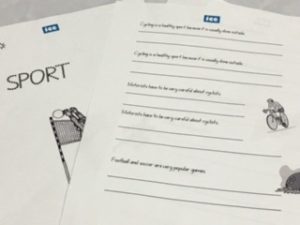
doublesThis idea began at a book burning!

I am not normally a fan of book burnings but this day I was busy burning old reading books in the incinerator when a child asked me if he could have one of the books destined for the fire!

This child was repeating Grade One in my class without a great deal of success! I tried to persuade him to take a more suitable (modern) book than the Beacon series, Kitty And Rover one he selected. But no! He wanted that one.

He looked at the first page- it said Kitty.
“What does this say,” he asked. I told him and then he saw it repeated again. Then Kitty was repeated on the next page, and he said (a little excitedly!) “Look Mrs. Carlton- it says the same thing.”
“Yes,” I replied thinking how boring it was!

Then he got to Rover. “What does this say?” I told him and he noticed it was repeated again and said the word.

I started to get interested. This kid hated reading and could hardly read a word. He continued reading and asking me and repeating all the way through dear old Kitty and Rover and guess what? By the time he had finished he knew what reading was and his literacy journey had begun.

All my strategies, wheedling, begging, soaking him in phonics, narratives, restructuring text and language experience had not done the trick. I was a so called literacy specialist but could not achieve the basic thing this book could do. I was humbled and saved the rest of the Beacon series from the bin!

A few years later I had a similar child- no success at all! I decided to try the strategy but with a twist. I used the child’s own language and got them to tell me about something they were really interested in. e.g. a sport, animal etc.

They dictated and I scribed or typed and repeated each sentence. The children then read every sentence (twice because I had doubled it!)

Then I started to use dotted script and they traced the words. Some children copied the words underneath and illustrated their books!

DOUBLES BOOKS were born!
Steps-
• Ask the child about their interests and help them to choose a topic.

• Get them to tell you- sentence by sentence.

• You type and then copy each sentence again.

• If appropriate they can trace the words, copy and illustrate.

They LOVE these books and after 8-10 books they are off and running!
If not- guess I could try TRIPLES BOOKS!

I will soon publish a few of these simple books about common topics that fascinate young readers but I still favour the approach where students dictate their own text, a teacher scribes and children read/trace and copy.

Try it- IT WORKS!

error

Enjoy this blog? Please spread the word :)