What Hudson Taught Me

hudb
I have had a little “just under 2” child staying at my house for a few days and his Mum boldly told me, “We are not leaving till you have taught Hudson to read!”

MMMMM- bit of a challenge there!
Joanna (my daughter), grabbed the Jolly Phonics manual and made some flash cards of the first few lessons and taught Hudson the sounds and actions. Amazingly he just learned them and now LOVES to practise- until he gets bored and wanders off to ride his bike or whatever!
I realised when he left that Hudson taught and re-taught me quite a few lessons that ALL hudcteachers need to remember. He taught me more than I taught him! Here are a few things I learned about toddlers!
• Don’t push it- when the learning is over, it’s OVER.
• Young children can easily learn the sounds and in fact enjoy this.
• Children will take your specially constructed games and invent even more interesting games to play!
• Music and movement trumps everything else!
• Humour and a good dose of silliness makes EVERYTHING work!
• Strong colours in books really attract.
• Children do not need expensive toys. In fact almost everything you need to teach a toddler is already in your house!
Kids want to do EVERYTHING themselves!hude
They have an insatiable curiosity and are therefore completely open for learning!
There is no joy greater than playing with a completely free and inventive, creative toddler.
If you can- arrange to spend a few hours with a toddler this week. You will re-discover your inner child and be forced to be creative!
Hudson’s coming for the day on Friday and I’m excited!
The ABC of Child Whispering I is for INTERESTING

kids ducks


Children are intrigued, interested and in love with life. The art of child whispering includes the capability to provide enriching, interesting experiences to help children pay attention and engaged with their learning.

Children do not pay attention to BORING, and neither do we! There are boring things that we need to teach children (e.g tables, spelling etc) but it is up to us to find interesting ways to make that happen. Just this morning I found a Superhero program that will zap up our tables practice and no doubt I will be looking for another one within 6 months!

The ability to sense children are switching off is paramount to acting quickly and facilitating optimal learning. Watch their eyes- boredom is easy to spot!

Here are 10 ways to keep learning interesting

Use auditory, visual and kinaesthetic strategies to make sure ALL children are engaged.

1. Vary your voice so it is not a monotone.
2. Use colour as a learning aid and allow children to respond in colour rather than just grey pencil.
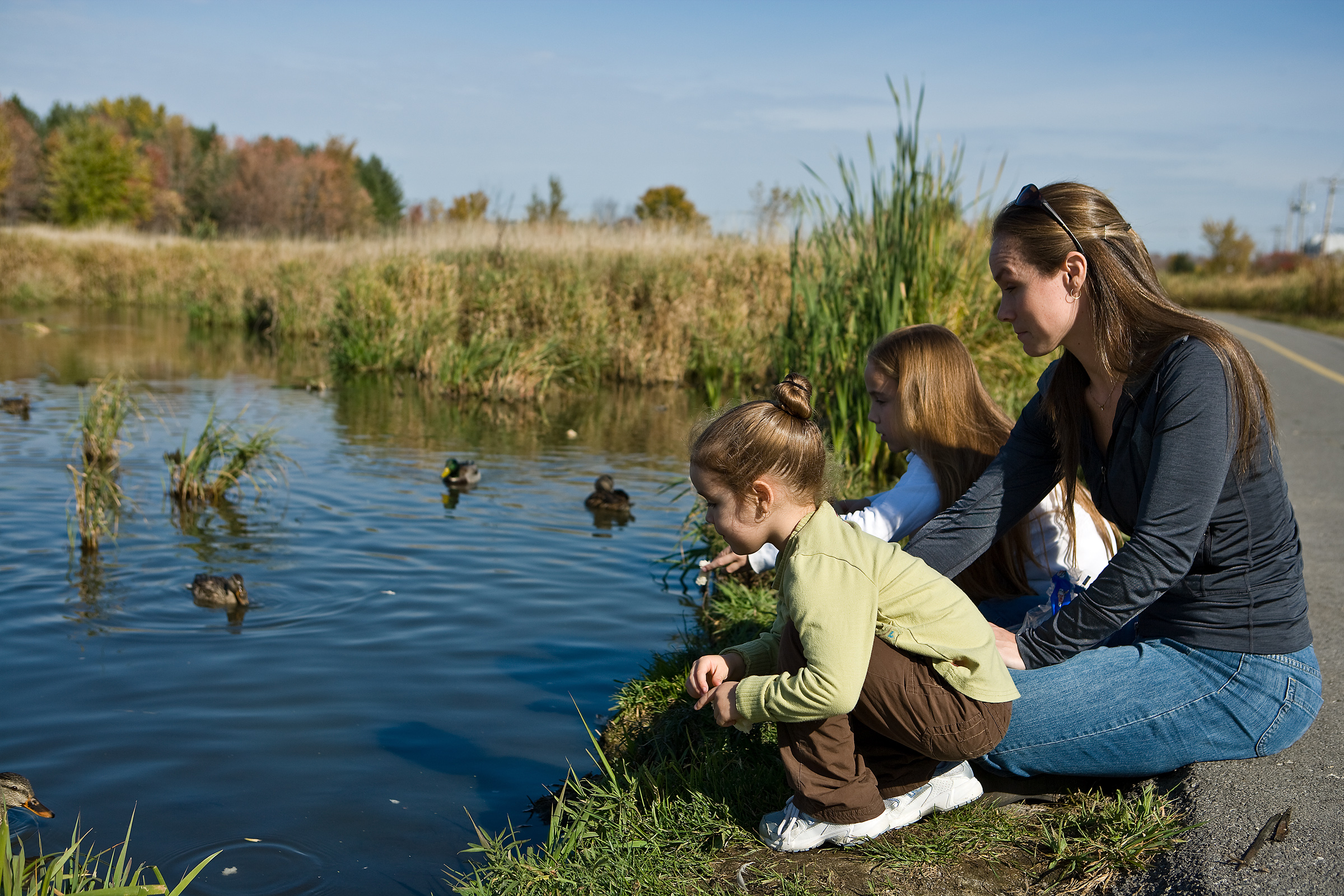
3. Include lots of experiences with the natural world as children are totally intrigued by nature.
4. Be clear about the outcomes and standards you expect.
5. Be clear about discipline and rewards and consequences.
6. Encourage children and show them HOW to improve.
7. Ensure your learning program can be “tweaked” so that children who need to have their learning extended or slowed will have needs catered for.
8. Be enthusiastic yourself and allow children to see you are also a learner.
9. Make sure children have some spare time to do anything they choose (within limits!) The biggest complaint I hear from children of all ages is that they have no spare time.
10. Model leading an interesting life so that children will see that you have fun too and love to learn and experiment with new things.

error

Enjoy this blog? Please spread the word :)